
Give the first moment a job
Start with what the viewer should recognize. A familiar frustration, an unexpected use, or a visible product action gives the opening a purpose. A logo animation may introduce the brand, but it rarely explains why someone should keep watching. Write the situation in one plain sentence before choosing the shot.
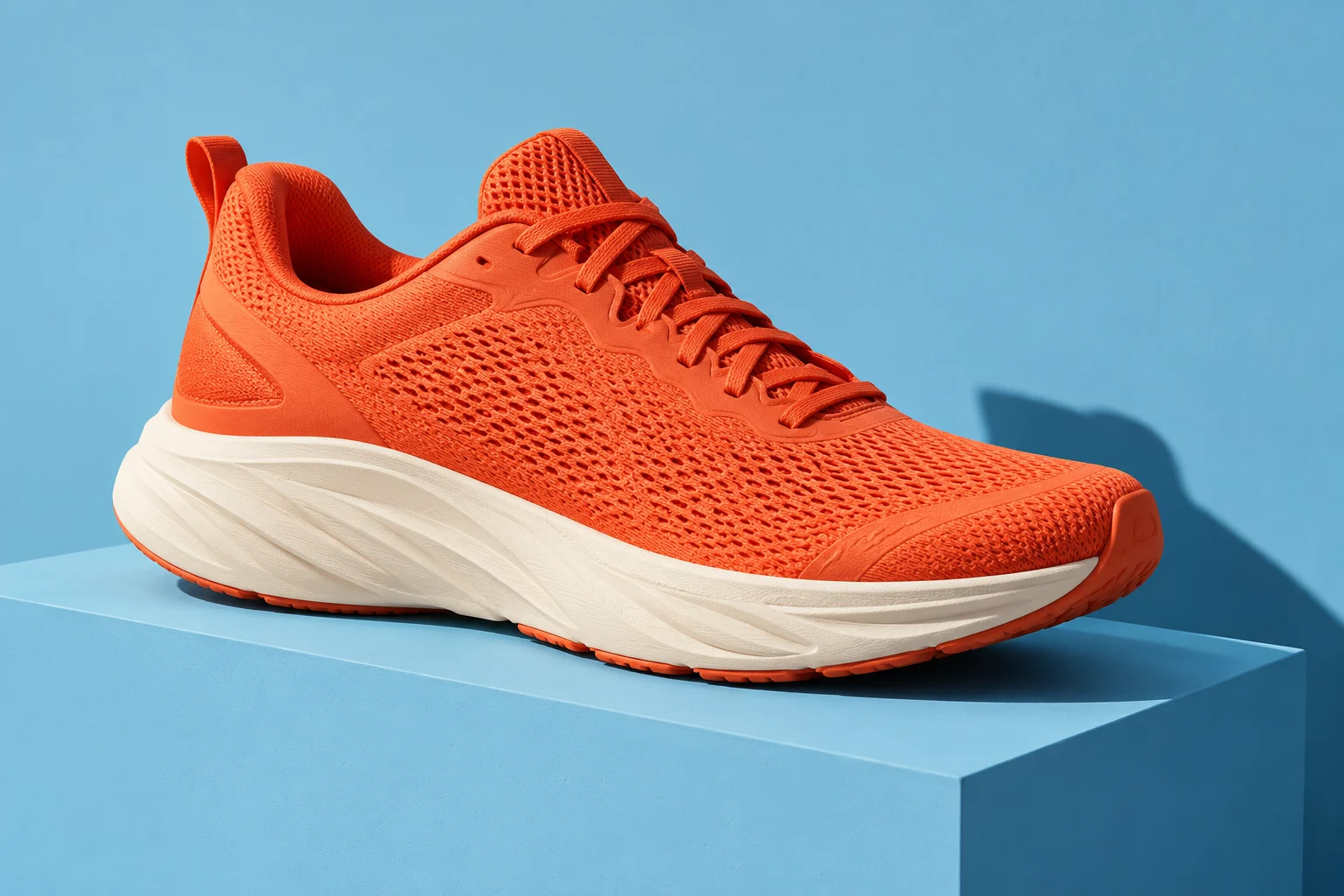
For an everyday sneaker, the opening could show someone changing plans halfway through a walk. That is a creative hypothesis, not evidence that the treatment will perform. Decide what the audience needs to understand and which part of the product can honestly support the idea.
Connect the opening to a demonstration
TikTok’s Creative Codes describes a hook, body, and close. Use that structure as a planning aid rather than a mandatory script. The middle should deliver on the opening: show the product, clarify the situation, or answer the question that made the first shot interesting.
Write a short shot list that someone else could produce. Identify the action, camera distance, spoken line, on-screen text, and product detail for each beat. Remove a shot if its only job is to make the edit look busy. A coherent demonstration is easier to review than a collection of attractive clips.
- Opening: a specific situation the viewer can recognize.
- Body: the product or idea doing the thing the opening promises.
- Close: one relevant next step, with enough time to understand it.
Plan sound and readability together
Sound can set the pace and explain a detail, while captions make the message easier to follow when speech is missed or audio is unavailable. Neither should compete with the main action. Keep important product details and text away from areas the platform interface may cover, then check the actual placement preview.
Agree on music rights, creator permissions, product claims, and disclosure requirements before filming. A track available for one kind of post may need a different permission for paid use. Keep source files and a clean version of the edit so a necessary correction does not require rebuilding the whole piece.
Review the whole story before testing
Watch the cut once without sound, once with sound, and once on a small phone screen. Ask a reviewer to describe the offer and next step in their own words. If they remember the opening but misunderstand the product, the story needs work before more variants are made.
Define the question for the test. Two openings can be compared while the body and destination stay consistent, or two complete concepts can be tested as packages. Record which comparison you are making. Read viewing behavior alongside the intended business outcome; attention is useful only in the context of the campaign’s job.
Sources and further reading
Primary guidance reviewed on October 31, 2026. Platform features and requirements can change.